When an FUE punch keeps slipping during hair follicle extraction, it can make the procedure more difficult and may affect control, consistency, and extraction performance. Slipping can happen for several reasons, including handling technique, punch alignment, diameter, punch design, depth control, or compatibility between the punch and extraction device.
Understanding the cause is important before changing the punch size or switching to another instrument. A small adjustment in technique or instrument selection may sometimes resolve the problem.
What Does It Mean When an FUE Punch Keeps Slipping?
An FUE punch is designed to engage the follicular unit and assist with controlled extraction. If the punch does not remain stable at the intended position, the tip may move, slide, or lose its alignment during the extraction process.
An FUE punch keeps slipping can describe several different situations:
- The punch moves away from the intended entry point.
- The punch does not remain properly aligned with the follicle.
- The instrument feels unstable during insertion.
- The punch rotates or moves unexpectedly.
- More pressure is required to maintain control.
- The punch performs differently in certain donor areas.
These symptoms do not necessarily indicate that the punch itself is defective. The cause should be evaluated systematically.
1. Check Grip and Instrument Handling
One of the first areas after FUE punch keeps slipping to review is how the punch is being held and controlled.
A stable grip helps maintain consistent positioning during extraction. Excessive force, an inconsistent hand position, or poor control of the instrument can contribute to unwanted movement.
The goal should be controlled handling rather than simply applying more pressure. Increasing force may not solve the underlying problem and can make precise positioning more difficult.
If an FUE punch keeps slipping, compare the handling of the problematic punch with another punch of the same size and design. If the second punch feels more stable under similar conditions, the instruments can be examined more closely.
2. Check Punch Alignment
Proper alignment is another important factor for FUE punch keeps slipping .
Hair follicles are not positioned at exactly the same angle throughout the donor area. If the punch approaches at an unsuitable angle, it may be more difficult to maintain stable contact with the intended extraction point.
The punch should be positioned according to the direction and angle of the follicular unit rather than forcing the instrument into a fixed orientation.
Alignment problems may become more noticeable when working around areas where follicular direction changes.
3. Consider the Punch Diameter
Punch diameter can influence control and extraction characteristics in FUE punch keeps slipping .
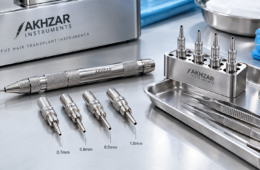
FUE punches are available in different diameters, including commonly used sizes such as 0.7 mm, 0.8 mm, 0.9 mm and 1.0 mm. The appropriate size depends on factors such as graft characteristics, hair characteristics, extraction approach and clinical preference.
A punch that is too small or too large for the intended application may make controlled extraction more difficult.
However, changing diameter should not be the first response to every slipping problem. Other factors such as alignment, punch condition and device compatibility should also be checked.
4. Examine the Punch Tip and Cutting Edge
The condition of the punch tip can also affect stability.
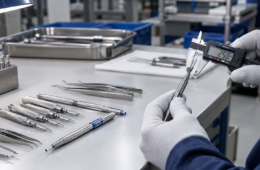
A damaged, worn, bent or improperly finished edge may not engage tissue in the same way as a properly manufactured punch. This can create inconsistent movement during extraction.
Inspect the punch carefully for:
- Visible damage
- Deformation of the tip
- Uneven cutting edges
- Wear from repeated use
- Contamination or residue
- Changes in the shape of the opening
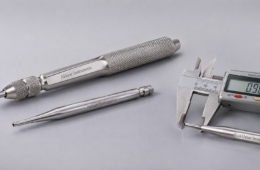
If the punch behaves differently from a known-good instrument of the same specification, replacement may be appropriate.
5. Check the Punch Design
Different FUE punch designs can behave differently depending on their intended application for FUE punch keeps slipping .
Sharp punches are commonly selected where controlled cutting and penetration are required. Serrated designs may provide different tissue engagement characteristics. Other designs may incorporate variations in the tip, edge geometry or outer profile.
The design should match the extraction method and the user’s requirements.
If an FUE punch keeps slipping, changing to a different design may help identify whether the problem is related to the punch configuration rather than the overall extraction technique.
6. Review Depth and Pressure
Depth control is another factor that should be considered.
Applying excessive pressure or attempting to advance the punch too aggressively may reduce control. On the other hand, insufficient engagement may also make the instrument feel unstable.
The objective is controlled movement with appropriate depth rather than simply increasing force.
A consistent approach can make it easier to identify whether the problem comes from the instrument, technique or the extraction conditions.
7. Check Device and Punch Compatibility
When a punch is being used with a motorized or specialized extraction system, compatibility should be checked carefully.
The punch should fit securely within the relevant handpiece or device. Poor fit, excessive movement, incorrect attachment or unsuitable specifications can contribute to instability.
If the punch works normally when handled manually but becomes unstable when connected to a device, compatibility should be investigated before changing the punch diameter.
8. Consider Hair and Skin Characteristics
Donor areas can vary considerably.
Hair thickness, follicular characteristics, skin properties and follicular direction can all influence how an FUE punch behaves during extraction.
This means that a punch may appear to work differently in one donor area compared with another.
If slipping occurs only in specific areas, evaluate whether the local follicular direction or tissue characteristics may be contributing to the problem.
How to Troubleshoot an FUE Punch That Keeps Slipping
Before replacing the instrument, work through a simple checklist:
- Check the punch grip and handling.
- Confirm alignment with follicular direction.
- Verify the punch diameter.
- Inspect the cutting edge and tip.
- Check for visible damage or deformation.
- Review the punch design.
- Check extraction depth and pressure.
- Confirm device compatibility.
- Compare with a known-good punch.
- Record where and when the slipping occurs.
Changing only one variable at a time can make troubleshooting easier.
Sharp vs Serrated FUE Punches
Sharp and serrated punches have different edge configurations and may behave differently during extraction.
A sharp FUE punch generally has a continuous cutting edge, while a serrated punch incorporates a toothed or segmented edge. The choice depends on the extraction approach, instrument design and operator preference.
Neither design should automatically be considered the solution to every slipping problem. If the main issue is alignment, grip or device compatibility, changing the edge configuration alone may not resolve it.
When Should You Replace an FUE Punch?
An FUE punch should be inspected regularly, particularly when its performance changes.
Consider replacing a punch when there is:
- Visible tip damage
- A deformed opening
- Noticeable edge wear
- Inconsistent performance
- Difficulty maintaining stable extraction
- Poor compatibility with the intended device
- Significant change compared with a new or known-good punch
Using a damaged or excessively worn instrument can make consistent extraction more difficult.
How to Choose the Right FUE Punch
Choosing an FUE punch from Akhzar Instruments involves more than selecting a diameter.
A clinic should consider:
Punch Diameter
Common options include 0.7 mm, 0.8 mm, 0.9 mm and 1.0 mm, with the appropriate choice depending on the intended application.
Edge Design
Sharp and serrated options provide different edge configurations and may suit different extraction preferences.
Manual or Motorized Use
The punch should be suitable for the intended method and compatible with the relevant equipment.
Manufacturing Quality
Consistent dimensions, finishing and tip geometry are important when repeatable instrument performance is required.
Application Requirements
Different patients, donor areas and extraction techniques may require different instrument specifications.
For clinics looking for different FUE punch sizes and configurations, selecting the appropriate specification is an important part of instrument planning.
FUE Punches from Akhzar Instruments
Akhzar Instruments manufactures and exports hair transplant instruments, including FUE punches for professional requirements.
Available FUE punch specifications include:
- 0.7 mm
- 0.8 mm
- 0.9 mm
- 1.0 mm
- Sharp options
- Serrated options
- Manual FUE punches
- OEM and private-label requirements
Clinics, distributors and hair transplant professionals can share their required specifications or product list for a customized quotation.
Frequently Asked Questions
Why does my FUE punch keep slipping?
An FUE punch may slip because of handling, alignment, punch diameter, tip condition, punch design, depth control or device compatibility. The cause should be checked systematically rather than assuming the punch size is the problem.
Can punch diameter cause slipping?
Punch diameter can affect extraction control, but slipping is not necessarily caused by diameter alone. Alignment, punch condition, design and device compatibility should also be evaluated.
Is a sharp FUE punch better for preventing slipping?
Not necessarily. Sharp and serrated punches have different designs and characteristics. Slipping can result from factors other than edge configuration.
Should I replace an FUE punch if it keeps slipping?
If the punch has visible damage, deformation, excessive wear or inconsistent performance, replacement may be appropriate. Before replacing it, check handling, alignment and device compatibility.
What FUE punch sizes are available?
Common FUE punch sizes include 0.7 mm, 0.8 mm, 0.9 mm and 1.0 mm. The appropriate specification depends on the intended application and extraction requirements.
Can an FUE punch slip because of poor device compatibility?
Yes. If a punch does not fit or attach securely to the intended extraction device, unwanted movement can occur. Compatibility should therefore be checked when using motorized or specialized systems.
Final Takeaway
When an FUE punch keeps slipping, do not immediately assume that the punch diameter is the problem. Check grip, alignment, punch condition, design, depth, device compatibility and the characteristics of the donor area.
A systematic troubleshooting process or contact with Akhzar Instruments can help identify the actual cause and make it easier to select the appropriate FUE punch specification for consistent extraction work.