A DHI implanter pen is designed to help hair restoration professionals load and implant grafts in a controlled manner. When the pen does not load properly, the graft does not release smoothly, or the needle becomes difficult to use, the problem can interrupt the implantation workflow.
However, not every implanter-pen problem means that the entire pen is defective.
The needle, loading method, graft characteristics, plunger mechanism, cleaning, and handling can all affect performance.
This guide explains common DHI implanter pen problems and practical points to check before replacing the instrument.
What Is a DHI Implanter Pen?
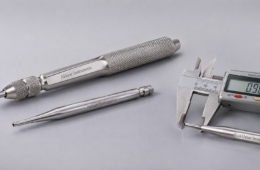
A DHI implanter pen is an instrument used to assist with the placement of hair grafts during direct hair implantation procedures.
The instrument generally consists of components such as:
- Implanter body
- Needle
- Plunger
- Loading mechanism
- Tip or needle assembly
The exact design varies between models.
For broader information about hair restoration, the ISHRS provides professional and patient education resources.
1. The Graft Is Not Loading Correctly
One of the most common problems is difficulty loading the graft into the needle.
This may happen because:
- The graft is not prepared appropriately
- The graft size does not match the needle
- The loading technique is inconsistent
- The needle is obstructed
- The implanter components are not properly assembled
Trying to force a graft into an unsuitable opening can damage the graft or the instrument.
The loading process should therefore follow the instrument’s intended technique.
2. The Graft Gets Stuck Inside the Needle
If the graft enters the needle but does not move forward properly, inspect the needle and loading pathway.
Possible causes include:
- Incorrect graft orientation
- Excessive tissue around the graft
- Incorrect needle size
- Damaged needle
- Contamination or obstruction
A needle that is not functioning correctly should not be forced.
3. The Plunger Is Not Moving Smoothly
The plunger should move according to the design of the implanter.
If it feels stiff, inconsistent, or unusually loose, inspect the assembly.
Potential causes include:
- Improper assembly
- Debris
- Component wear
- Mechanical damage
- Incorrect handling
If cleaning is required, always follow the manufacturer’s instructions for the particular instrument.
4. The Graft Is Not Releasing Properly
Another common issue is when the graft loads successfully but does not release as expected.
This can be related to the interaction between the graft, needle, and plunger.
Check:
- Needle condition
- Graft size
- Graft loading technique
- Plunger movement
- Correct assembly
A simple change in one component may resolve the issue without replacing the entire implanter.
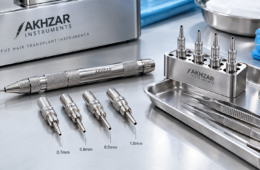
5. The Needle Size May Not Match the Graft
Needle selection is an important part of the implanter setup.
If the needle is unsuitable for the graft characteristics, loading and release can become more difficult.
The correct needle should be selected according to the implanter system and the clinical requirements of the procedure.
6. The Implanter Pen May Need Proper Cleaning
Instrument maintenance is important for mechanical performance.
Debris or residue can interfere with moving parts and the graft-loading pathway.
However, cleaning and sterilization procedures should always follow the instrument manufacturer’s instructions and the clinic’s validated infection-control protocol.
Do not assume that every implanter can be cleaned or sterilized in exactly the same way.
7. The Implanter May Have Been Damaged During Handling
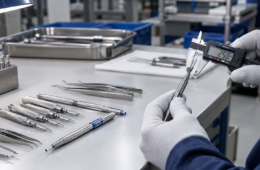
An implanter pen is a precision medical instrument, but it still requires appropriate handling.
Dropping the instrument, applying excessive force, or storing components incorrectly may affect its performance.
If the pen suddenly starts behaving differently after handling or maintenance, inspect the instrument before using it for another procedure.
DHI Implanter Pen Troubleshooting Checklist
When a DHI implanter pen is not working correctly, check the following:
Graft loading
Is the graft suitable for the selected needle and loading system?
Needle
Is the needle clean, undamaged, and properly attached?
Plunger
Does the plunger move normally?
Assembly
Are all components correctly fitted?
Technique
Is the graft being loaded according to the instrument’s intended method?
Maintenance
Has the instrument been maintained according to the manufacturer’s instructions?
How to Reduce Common Implanter Pen Problems
A consistent workflow can help reduce avoidable problems.
- Use the appropriate needle and instrument configuration.
- Handle grafts carefully.
- Avoid forcing grafts into the needle.
- Inspect the needle before use.
- Keep components properly maintained.
- Follow the manufacturer’s cleaning and sterilization instructions.
- Replace damaged components when necessary.
Choosing the Right DHI Implanter Pen
The best implanter pen depends on the requirements of the procedure and the professional using it.
Factors worth considering include:
- Needle options
- Graft compatibility
- Loading mechanism
- Plunger design
- Reusability
- Maintenance requirements
- Availability of replacement needles
- Supplier support
A cheaper instrument is not necessarily the best option if replacement components are difficult to obtain.
How Akhzar Instruments Can Help
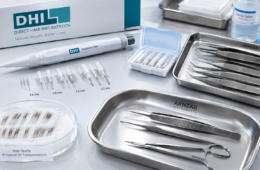
Akhzar Instruments supplies hair transplant instruments for clinics, distributors, and professional buyers.
Our product range includes DHI and Choi-style implanter pens and needles along with other hair transplant instruments.
If you need a specific implanter configuration, bulk quantity, OEM/private-label supply, or custom requirement, you can contact Akhzar Instruments for further information.
You can also explore our hair transplant instruments to see the wider range.
Frequently Asked Questions
Why is my DHI implanter pen not loading grafts?
Possible causes include an unsuitable needle, graft size, loading technique, obstruction, or incorrect assembly.
Why does the graft get stuck inside the implanter?
The graft may not be compatible with the selected needle, or the needle/loading pathway may have an obstruction or other issue.
Why is the plunger difficult to press?
Check the assembly, cleanliness, component condition, and whether the instrument is being used according to its intended design.
Can I use different needle sizes with a DHI implanter?
Some implanter systems support different needle sizes, but compatibility depends on the specific instrument.
How do I clean a DHI implanter pen?
Follow the manufacturer’s instructions and your clinic’s validated cleaning and sterilization protocol.
Can a damaged needle affect graft implantation?
Yes. A damaged or unsuitable needle can interfere with graft loading and release.
Is a DHI implanter pen reusable?
Some models are designed for repeated professional use, while specific components may have different use requirements. Always follow the manufacturer’s instructions.
Does Akhzar Instruments supply DHI implanter needles?
Yes, Akhzar Instruments can supply DHI/Choi-style implanter pens and compatible needle options depending on the required specification.
Can clinics order DHI implanter pens in bulk?
Yes. Bulk and OEM/private-label requirements can be discussed directly with Akhzar Instruments.
How can I request a quotation?
You can contact Akhzar Instruments with the required model, specification, quantity, and destination so the appropriate quotation can be discussed.
Final Thoughts
A DHI implanter pen that is not working properly does not always need to be replaced immediately.
The problem may be related to the needle, graft preparation, loading method, plunger, assembly, maintenance, or component condition.
A systematic troubleshooting approach can help identify the actual cause and prevent unnecessary replacement.
For clinics and professional buyers looking for DHI implanter pens, needles, and other hair transplant instruments, Akhzar Instruments can provide bulk, OEM, and customized supply options.