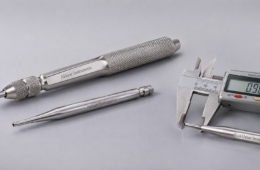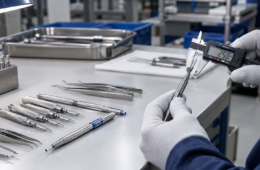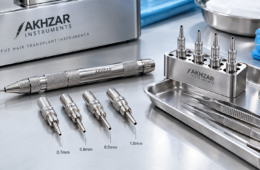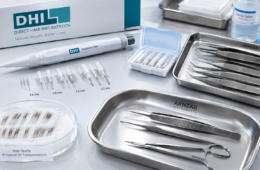
Choosing a reliable hair transplant instruments manufacturer is an important step for clinics, distributors, and medical instrument buyers. Before placing an order, evaluate product specifications, finishing, sample availability, customization options, and communication. Akhzar Instruments helps buyers explore hair transplant instruments and discuss requirements for bulk orders and OEM/private-label projects.
A reliable sourcing process requires buyers to evaluate product specifications, workmanship, compatibility, documentation, communication and order terms before committing to a purchase.
This guide explains nine practical checks for choosing a hair transplant instruments manufacturer, with a focus on helping clinics, distributors, medical suppliers and private-label brands avoid common purchasing problems.
At Akhzar Instruments, we believe that good supplier relationships begin with clear requirements. As a manufacturer and exporter based in Sialkot, Pakistan, we work with professional buyers seeking hair transplant instruments, bulk supply and suitable OEM or private-label arrangements.
Why Choosing the Right Manufacturer Matters
Hair transplant instruments serve different purposes within extraction, implantation, incision and graft-handling workflows.
A supplier may offer a broad range of products, but each item still needs to be evaluated against the buyer’s requirements.
For example, an FUE punch may need a specified diameter and compatible holder. A DHI implanter pen may require a particular needle configuration. A blade holder must suit the intended blade.
When these details are not confirmed in advance, buyers may face avoidable fitting problems, delays or additional costs.
9 Checks Before Choosing a Hair Transplant Instruments Manufacturer
1. Verify the Manufacturer’s Product Range
Start by identifying which product categories the supplier actually manufactures or supplies.
For hair restoration, relevant categories may include:
- FUE punches.
- Manual punch holders.
- Extraction and graft forceps.
- DHI or Choi-style implanter pens.
- Compatible implanter needles.
- Sapphire blades and slit blades.
- Blade holders.
- Graft-handling accessories.
Do not assume that every supplier offers every category or every configuration.
Akhzar Instruments’ approach: Buyers can explore our hair transplant instrument range and contact us with the exact product requirements.
2. Ask for Written Product Specifications
A product name or photograph is not a complete specification.
Before ordering, ask for relevant dimensions, material information, design details, compatibility information and intended-use documentation.
The required information varies by instrument. For an FUE punch, diameter and holder compatibility may be important. For an implanter pen, the model and compatible needle configuration may need confirmation.
For repeat orders, keep an approved specification sheet and refer to it when requesting a quotation.
3. Evaluate Workmanship and Inspection Procedures
Ask how the manufacturer evaluates the finished product.
Depending on the instrument, relevant checks may include:
- Dimensional accuracy.
- Alignment and fit.
- Surface finish.
- Visible defects.
- Functional characteristics.
- Packaging and final inspection.
The manufacturer should explain which checks are relevant to the particular product.
Avoid relying on broad quality claims without asking what is actually inspected.
4. Request Samples Where Appropriate
If samples are available, they can help buyers evaluate whether a product matches the agreed specifications.
Before requesting a sample, define the criteria that matter. These may include dimensions, finish, fit with an existing system, packaging and other agreed characteristics.
For a distributor or private-label brand, sample approval should be documented before a larger production order proceeds.
A sample is useful, but it does not automatically establish long-term consistency. Repeat-order specifications and appropriate quality controls remain important.
A professional hair transplant instruments manufacturer should be able to explain product specifications, available customization options, and the inspection process for the instruments being supplied.
5. Confirm Compatibility With Existing Instruments
Compatibility issues can create problems even when an individual component appears well made.
Before purchasing replacement punches, holders, blades or implanter needles, provide the relevant product model and specifications.
Ask the manufacturer to confirm compatibility in writing.
Do not assume that two products are interchangeable simply because they share a general product name or look similar in photographs.
6. Check Documentation and Destination-Market Requirements
Product documentation and regulatory requirements depend on the instrument, its intended use and the destination market.
Buyers should ask which documents are available and independently verify any claims relevant to their purchasing decision.
For the United States, the FDA’s medical-device quality and compliance guidance is a useful starting point.
For broader international purchasing, the International Organization for Standardization provides information about standards. The existence of a standard does not, by itself, prove that a particular manufacturer or product is certified or compliant.
Always verify the actual documentation and its applicability to the product and market.
7. Clarify OEM and Private-Label Capabilities
Distributors and medical brands may want instruments supplied under their own brand.
Before proceeding, clarify:
- Which products can be customized.
- Whether dimensions or design features can be specified.
- Logo and packaging options.
- Minimum order quantities.
- Sample approval procedures.
- Production and delivery timelines.
- Ownership and approval of final artwork.
- Repeat-order specifications.
Do not assume that every product can be customized in every way. Obtain confirmation of feasibility before committing to the project.
Akhzar Instruments is hair transplant instruments manufacturer and aslo supports OEM and private-label inquiries for suitable projects. Requirements can be discussed according to product type, quantities, specifications and branding needs.
8. Review Pricing, Lead Times and Repeat-Order Terms
The lowest quoted price is not necessarily the best overall purchasing option.
Compare the quotation, specifications, minimum quantities, packaging, shipping, payment terms and expected lead time.
For repeat orders, confirm how the approved specifications will be maintained and how changes will be communicated.
International buyers should also clarify destination-country requirements, shipping arrangements, import responsibilities and any applicable charges before placing an order.
9. Evaluate Communication and After-Sales Support
A professional supplier should be able to understand the request, clarify missing specifications and communicate order conditions clearly.
Before ordering, assess whether the supplier can explain:
- Product options.
- Compatibility requirements.
- Available documentation.
- Sample arrangements.
- Customization limitations.
- Production and delivery terms.
- The process for reporting discrepancies.
Clear communication can help reduce misunderstandings before and after an order.
Common Mistakes When Choosing an Instrument Supplier
Choosing only by price
Low prices can be attractive, but buyers should also evaluate specifications, workmanship, documentation and supply terms.
Ordering from photographs alone
Photographs cannot establish every dimension, material specification or compatibility requirement.
Assuming all products are interchangeable
Different holders, punches, blades and needles may have different interfaces or design requirements.
Accepting unverified certification claims
Ask for the relevant documentation and verify that it applies to the specific company, product and market.
Failing to document sample approval
Keep an approved sample reference or specification record where appropriate.
Ignoring repeat-order consistency
Document the agreed product configuration, inspection criteria and packaging requirements before placing repeat orders.
Why Consider Akhzar Instruments for Hair Restoration Instruments?
Akhzar Instruments is a hair transplant instruments manufacturer and exporter based in Sialkot, Pakistan, with an office in Rawalpindi.
Our product range includes FUE punches, punch holders, graft forceps, DHI and Choi-style implanter pens, sapphire blades, slit blades, blade holders and supporting instruments.
As a hair transplant instruments manufacturer we work with clinics, distributors, medical suppliers and international buyers seeking product sourcing, bulk orders and suitable OEM or private-label arrangements.
Our problem-solving approach begins with understanding the buyer’s requirements. Rather than assuming every customer needs the same product, we encourage buyers to provide the intended instrument type, specifications, quantity and any relevant compatibility details.
This helps establish the scope of the inquiry and identify which options can be discussed.
Explore our products: Akhzar Instruments — Hair Transplant Instruments
Learn about the company: About Akhzar Instruments
Discuss a wholesale or OEM inquiry: Contact Akhzar Instruments
Frequently Asked Questions
1. How do I choose a hair transplant instruments manufacturer?
Evaluate the product range, specifications, workmanship, inspection procedures, compatibility information, documentation, pricing, communication and repeat-order terms.
2. What should I ask a manufacturer before ordering FUE punches?
Ask for the available diameters and designs, relevant dimensions, holder compatibility, product documentation, quantities, pricing and lead time.
3. Can I request samples before placing a bulk order?
Ask whether samples are available and what they cost. Define the specifications and acceptance criteria before approving a larger order.
4. What is OEM hair transplant instrument manufacturing?
OEM manufacturing involves producing instruments according to an agreed buyer or brand requirement. The available customization depends on the product, design, quantities and manufacturer’s capabilities.
5. What is the difference between OEM and private-label instruments?
The terms can overlap. OEM arrangements may involve product specifications or manufacturing requirements, while private-label arrangements commonly focus on supplying products under the buyer’s brand. The exact scope should be defined in the agreement.
6. How can buyers check a manufacturer’s quality claims?
Request relevant documentation, ask about product-specific inspections, evaluate samples where appropriate and verify applicable certifications or regulatory claims independently.
7. Can a manufacturer supply wholesale hair transplant instruments internationally?
Some manufacturers support export and wholesale orders. Confirm the available products, minimum quantities, shipping terms, documentation and destination-market requirements directly.
8. Why is compatibility important when purchasing replacement instruments?
A replacement component may have different dimensions or a different interface from the existing instrument. Confirm compatibility before ordering.
9. Does Akhzar Instruments offer custom and private-label inquiries?
Yes. Akhzar Instruments accepts inquiries for OEM, private-label and custom manufacturing for suitable products. Buyers should provide specifications, quantities and branding requirements so feasibility can be discussed.
10. Where is Akhzar Instruments based?
Akhzar Instruments is based in Sialkot, Pakistan, with an office in Rawalpindi. Buyers can contact the company to discuss product requirements and international orders.
When comparing a hair transplant instruments manufacturer, request clear specifications and confirm the agreed requirements before production. Akhzar Instruments works with buyers to discuss hair transplant instrument options, custom requirements, and wholesale inquiries.
Conclusion
Choosing a hair transplant instruments manufacturer requires more than comparing product photographs and prices. Written specifications, workmanship, compatibility, documentation, communication and repeat-order terms should all be evaluated.
A structured purchasing process helps clinics, distributors and medical brands reduce avoidable sourcing problems and make more informed decisions.
Akhzar Instruments works with professional buyers seeking FUE and DHI instruments, supporting products, bulk supply and suitable OEM or private-label manufacturing.
If you are evaluating suppliers for your clinic or distribution business, share your product specifications and quantities with our team to begin a focused discussion.
Explore the range: https://akhzarinstruments.com/our-instruments/
Request product information: https://akhzarinstruments.com/contact-us/